On stony ground

At every summit, I hoped we were done with the uphill climbs, but, with each one, the top of another mountain loomed ahead in the mist.

The wind was now gusting to forty miles per hour and driving the rain sideways. I was soaked, even inside of the rain gear. The only way out of the storm was to keep climbing.

Picking my way carefully through mud and rocks, I lagged behind and lost sight of the others. Then, on a downhill section, I slipped sideways and fell.

As I tumbled, I grabbed at a wire fence to catch myself, spun around, and landed backwards against the pale.

Leaning against the wires, I paused to consider my situation. I was off-balance on a steep decline. I was ankle-deep in a mud puddle. Wind was howling at my back. And I was surprised to find myself ensnared by the fence.

As I struggled to get free, I realized the top wire to which I was clinging was barbed. The palm of my right hand was dripping blood from a couple of punctures. Another barb had impaled the shoulder of my rain jacket and held it tight. And one more had pierced both the pack cover and the pack.

I was caught like a fly in a spider’s web.

Continue reading
Sacrificial acts

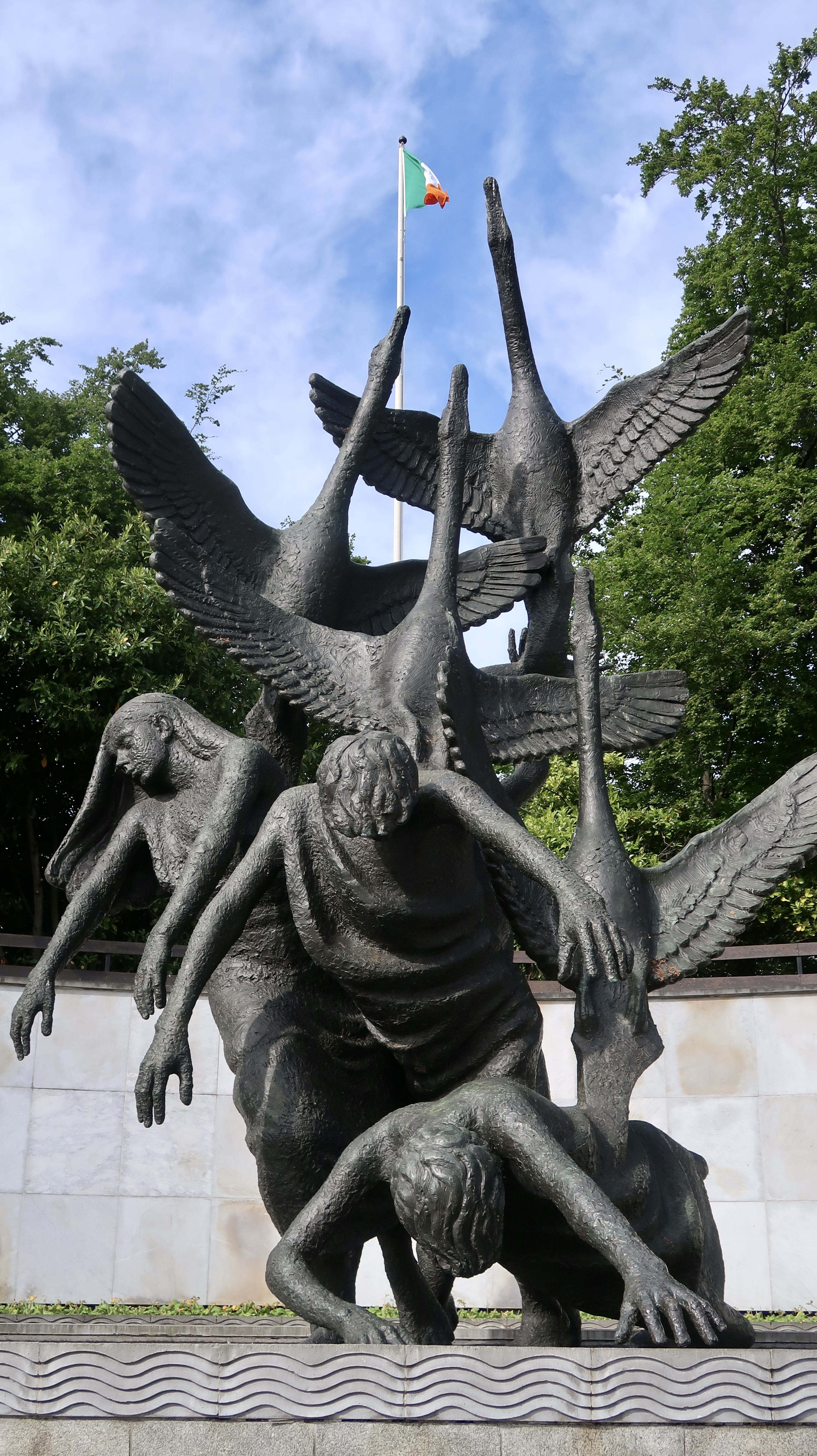
Children of Lir, Dublin IE

James Connolly was carried into the Stonebreakers’ Yard of Kilmainham Gaol on a stretcher.

A few days earlier, he had been in command during the armed insurrection in Dublin called the Easter Rising. The revolt was launched on April 24, 1916, by Irish rebels attempting to break free of British rule. It lasted for six days.

The rebels chose the General Post Office (GPO) to serve as their headquarters due to its central location and position as the country’s telegraph center.

After occupying the GPO, Patrick Pearse, one of the movement’s leaders, stepped in front of the building and read aloud the Proclamation of the Irish Republic.

Over the next few days, fighting occurred in pockets throughout the city center. However, with greater numbers and better weapons, the British suppressed the rebellion in less than a week.

The GPO was destroyed by fire, except for the granite facade. Connolly was wounded. Pearse agreed to an unconditional surrender.

The rebel leaders were arrested, quickly tried, and sentenced to death.

Continue reading

Tourist of La Mancha

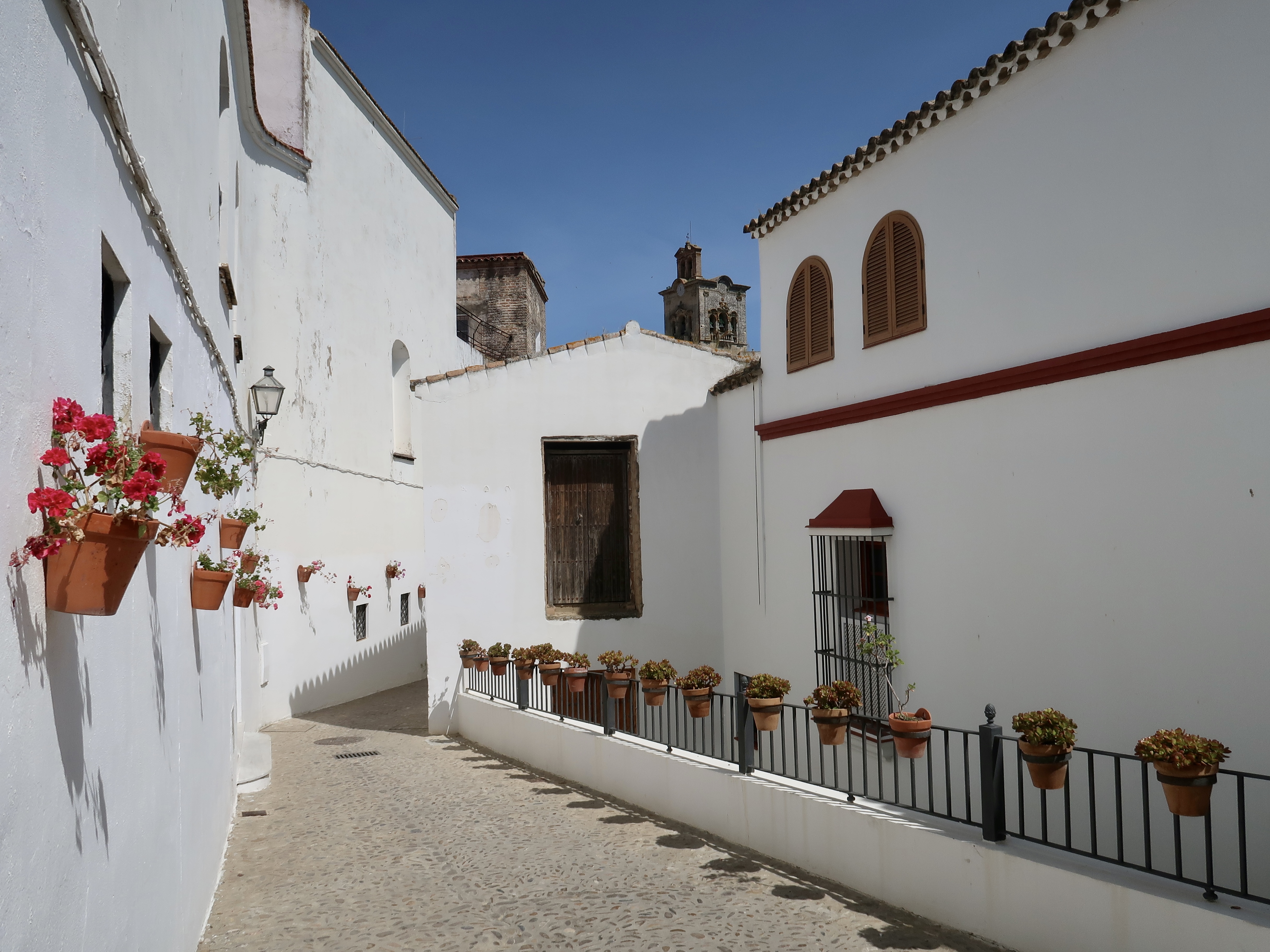
Arco de la Fronteras ES

Along the harbor in Barcelona is a two-hundred-foot monument to Christopher Columbus. 

“Why is Columbus so widely celebrated in Spain?” I asked. “He’s from Italy.”

“No one is completely sure where he was born,” I was told, which is Spanish for “We bankrolled him, so he’s ours.”

In 1486, after twice failing to convince the king of Portugal to finance his expedition, Columbus turned to the queen of Spain. Queen Isabella rejected him as well, but he was persistent.

After a few years and several revisions to his PowerPoint presentation, Isabella finally approved his project in April of 1492.

Six months later, Columbus landed in the Bahamas. Five hundred years later, his statue was removed from in front of the city hall of my hometown.

Continue reading

Test-kit tour of the UK

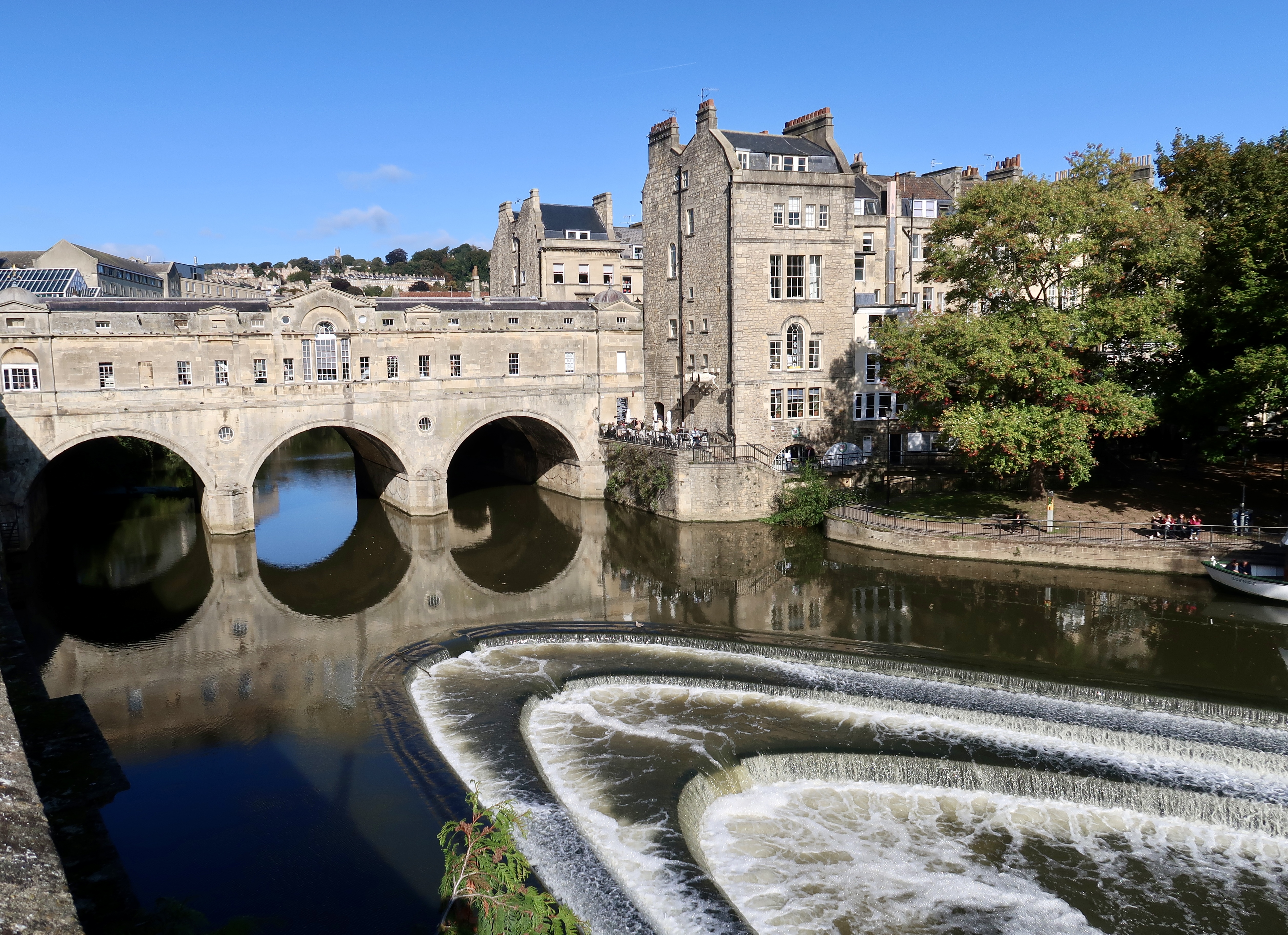
Pulteney Bridge, Bath

Once upon a time, I planned a trip to England.

Three postponements later, I was finally able to set off. Traveling internationally during a global pandemic required some additional measures.

In total, I took three COVID-19 tests—one within three days of flying, one upon arrival in London, and one within three days of returning home.

The first I took at a local pharmacy; the second, at a test station within Heathrow Airport; and the third, in a hotel room using an online test kit. All were uncomfortable. All were quick.

In England, wearing masks was mandated on public transport, such as trains and the Tube. Elsewhere, they were optional. Few of the British wore them.

At the time of the trip, eighty percent of England’s population over the age of twelve were fully vaccinated (compared to not quite sixty percent in the United States).

Due to travel restrictions, foreign tourists seem to be curiosities in England. At Waterloo station, I asked an agent to validate my rail pass. He seemed fascinated by it. “I haven’t seen one of these in two years,” he said.

Continue reading

Olympic proportions

Quileute River
Quillayute River

Near the west coast of the Olympic Peninsula, four rivers converge to form one.

They are the Bogachiel, Calawah, Sol Duc, and Dickey, and, when flowing together, they compose the Quillayute. At the village of La Push, Washington, the Quillayute River empties into the Pacific Ocean.

La Push, with a population of two thousand, is home to the Quileute tribe, the river’s namesake.

The tribe’s original territory stretched across the western half of the peninsula, from Mount Olympus to the seacoast. Traditionally, the Quileute were skilled whalers and seal hunters. After signing a treaty in 1889, the tribe was forced onto a one-square-mile reservation.

Continue reading

Memories of Africa (Part 3)

Bwabwata National Park, Namibia

In the fall of 2011, my daughter and I traveled to Namibia, Botswana, and Zimbabwe. To read “Memories of Africa (Parts 1 and 2),” please see the previous two posts.

The rock that moved

The rats in our tree house were quit tolerable compared to Penny’s uninvited visitor. Penny, a teacher from Canada, is a member of our tour.

Last night, she left the Ngepi Camp lodge after dark and walked back through the woods to her tree house. Hers was the last one on the trail. When she arrived, she noticed a large gray boulder—one she had not remembered—blocking the steps.

Then, the rock lifted its massive head and opened its jaws. A hippo!

She ran back to the lodge. Trompie and Lucas, a local guide, returned to help. Lucas suggested they throw pebbles at the hippo to scare it away. Initially, the beast seemed confused.

Then it charged.

Continue reading

Memories of Africa (Part 2)

Etosha National Park, Namibia

In the fall of 2011, my daughter and I traveled to Namibia, Botswana, and Zimbabwe. To read “Memories of Africa (Part 1 of 3),” please see the previous post.

Lion porn

The next morning after breakfast at Toshari Lodge, we headed back to Etosha. At eighty-six hundred square miles, Etosha is one of the largest game reserves in Africa. Its grasslands sustain an abundance of wildlife, including several threatened and endangered species, such as white and black rhinos.

We stopped first at the Ombika waterhole, where a pride of eleven lions lounged in the grass. No other animal dared venture near the water.

We drove slowly through the park, stopping frequently to take photos. Numerous zoos could be filled with the multiple species grazing in the savanna—elephants, zebras, giraffes, ostriches, wildebeests, kudu, oryx, black-faced impala, springbok, spotted hyenas, black-backed jackals, bat-eared foxes, and warthogs.

As we drove, Trompie spotted a large male lion hiding in the shade of a tree near the road. A minute later, he excitedly proclaimed that a cobra was in the tall grass near the lion.

Continue reading